
Table of contents:
Table of contents:
The Emergence of Vertiports ∙ Key Features ∙ The Role of VTOL Aircraft ∙ Urban Air Mobility and its Benefits ∙ Future Developments ∙ FAQs ∙ A New Era of Commuting
In today’s cities, traffic congestion is a growing concern and the need for sustainable transport solutions is increasing. Enter VTOL aircraft—the next big thing in urban air mobility.
A vertiport is a dedicated facility designed for aircraft that can take off and land vertically, such as drones and air taxis. They enable efficient aerial transportation options, paving the way for a more modern approach to urban commuting.
The Emergence of Vertiports
The concept of vertiports has gained momentum with the rise of VTOL technology. Unlike traditional airports that accommodate fixed-wing aircraft, vertiports are designed specifically for aircraft that take off and land vertically. This feature allows VTOLs to navigate densely populated cities, fitting seamlessly into existing transportation networks.
Historically, urban transport has focused on ground-based options like buses, trains, and cars. But as cities expand and populations rise, the demand on these systems increases. Vertiports provide a practical solution by making better use of our airspace, making once hard-to-reach locations easily accessible.
Key Features of Vertiports
Vertiports are designed with several notable features that enhance both safety and efficiency:
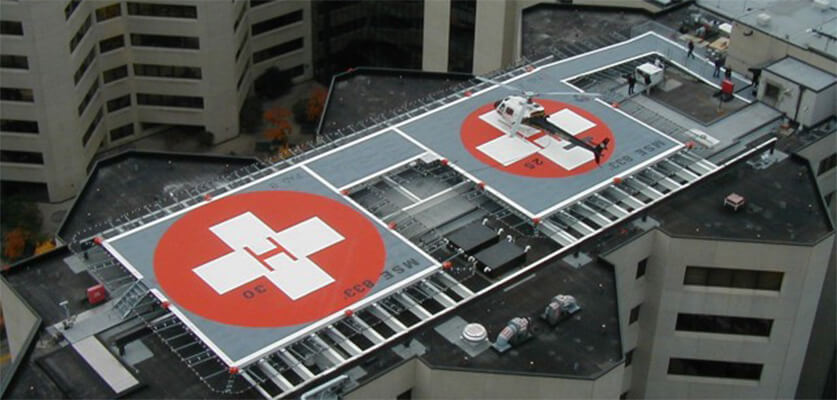
- Landing Pads: Structurally engineered to support VTOL aircraft operations, landing pads are designed based on the specific aircraft type, capacity needs, and operational model. In many cases, they can accommodate multiple aircraft simultaneously, helping support efficient and safe operations during peak travel times.
- Passenger Infrastructure: Amenities such as waiting lounges and boarding areas can be tailored based on whether the vertiport serves public or private use. These spaces are designed to streamline passenger flow, optimize the overall experience for urban commuters, and reduce boarding time.
- Charging Infrastructure: Vertiports are typically equipped with electric charging stations to support eVTOL aircraft between flights. Charging needs are integrated into the overall design and operational flow, supporting efficient turnaround times while aligning with safety requirements.
- Safety Systems: Vertiports can be equipped with the latest and greatest in user safety features, including advanced technologies for fire suppression, emergency protocols, and traffic management. Safety features also include automated systems for monitoring aircraft arrivals and departures, ensuring the smooth transit of multiple flights.
The Role of VTOL Aircraft
VTOL aircraft are leading the charge in the urban air mobility revolution. Their innovative design lets them navigate crowded cityscapes, providing dependable transport options and unlocking a range of exciting possibilities, such as:
Air Taxi Services: These services allow passengers to skip the hassle of ground traffic, enabling faster travel across urban areas. Air taxis can turn everyday commutes and business trips into smooth, efficient journeys.
Drone Delivery Systems: Businesses can benefit from drone delivery solutions that reshape the logistics landscape. By utilizing drones for swift package delivery, companies can enhance customer satisfaction and streamline their operations.
Urban Air Mobility and Its Benefits
The rise of urban air mobility, particularly through the implementation of vertiports, brings several key benefits, including:
- Time Efficiency: By providing an alternative to traditional transport methods, vertiports significantly reduce travel times in urban settings. This is especially beneficial during rush hours, as aerial transport can often be faster than navigating congested city streets.
- Use of Existing Urban Infrastructure: Vertiports can often be integrated into underutilized or adaptable spaces such as parking garages and other existing urban real estate. This approach reduces the need for entirely new construction and allows cities to make more efficient use of space that is already available.
- Environmental Impact: Many VTOLs are designed to be electric, contributing to lower emissions and promoting sustainable practices in urban transport. The shift toward greener technologies aligns with global efforts to combat climate change and reduce air pollution.
- Emergency Response: Vertiports enable rapid deployment of medical and emergency services to areas that may be hard to reach by conventional means. During emergencies, the ability to transport patients or supplies quickly can make a critical difference.
Future Developments in Vertiports
As urban air mobility continues to evolve, the design and functionality of vertiports will likely undergo significant changes. As vertiport development continues, regulatory guidance is also evolving. The FAA’s Engineering Brief 105A outlines early considerations for vertiport design, though standards are still being refined as VTOL aircraft technology advances.
Future developments may include enhanced vertiport design standards that prioritize sustainability and integrate smart technology for better traffic management. Here are a few trends we see on the horizon:
Smart Technology Integration: The incorporation of IoT devices may facilitate real-time monitoring of vertiport operations, optimizing scheduling and reducing wait times.
Modular Designs: Future vertiports may adopt modular designs that use prefabricated components for quick installation in diverse urban environments. This flexibility would allow cities to swiftly meet evolving transportation needs and establish vertiports in areas requiring improved accessibility.
Community Engagement: Collaborative efforts with local government and communities will be essential to address potential noise and safety concerns, ensuring that vertiports are welcomed as beneficial infrastructure.
FAQs About Vertiports
What exactly is a vertiport?
A vertiport is a specialized landing and takeoff facility designed for VTOL aircraft, such as drones and air taxis, enabling efficient aerial transportation in urban settings.
How do vertiports benefit urban transport?
Vertiports enhance urban mobility by reducing travel times, alleviating ground traffic congestion, and promoting environmentally friendly transportation solutions.
What types of aircraft use vertiports?
Primarily, vertiports accommodate VTOL aircraft, which include electric air taxis and drones designed for cargo delivery and passenger transport.
Are vertiports safe for public use?
Yes, vertiports may be equipped with extensive safety features, including advanced fire suppression systems, air traffic control for collision prevention, and emergency response protocols. Regular maintenance and oversight ensure that all infrastructure meets strict safety standards, providing a secure environment for passengers and operators.
What’s the difference between a heliport and a vertiport?
The key difference between a heliport and a vertiport is the type of aircraft they serve. A heliport is built for helicopters and usually has one or more landing pads specifically for rotorcraft. On the other hand, a vertiport is designed for vertical takeoff and landing (VTOL) aircraft, like drones and air taxis, which have different landing needs. Vertiports also come with extra facilities to accommodate these advanced technologies and offer a wider range of aerial transport options in urban settings.
Vertiports and Urban Air Mobility: A New Era of Commuting
As urban air mobility expands, understanding vertiports is becoming crucial. With the future of aerial transport just ahead, vertiports will be key in redefining our city commutes.
Discover how FEC Heliports can assist in bringing vertiports to your community, creating a more sustainable and efficient transportation network. Contact us today to start the conversation!